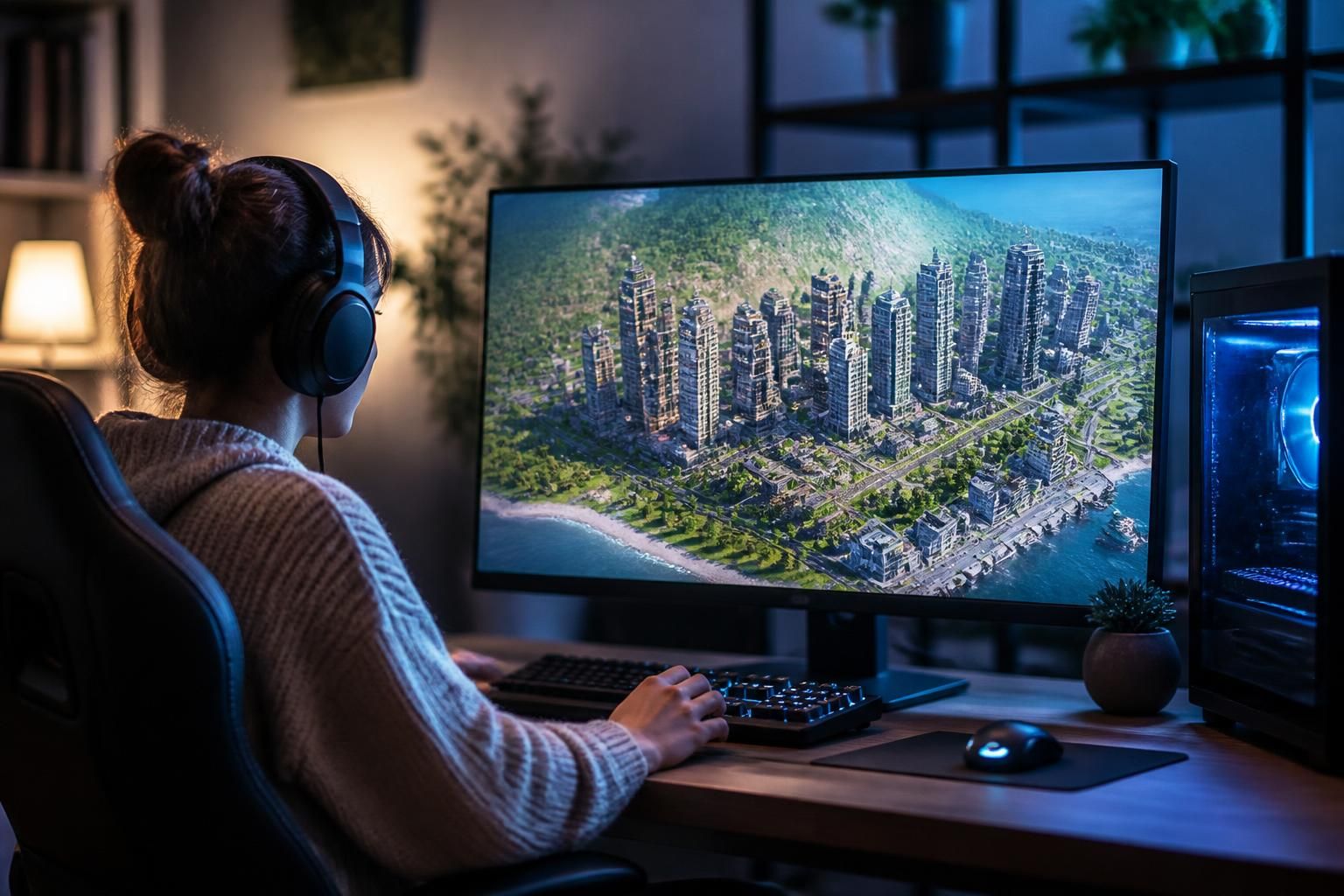
Simulation and city-building games have emerged as a significant genre in the world of video gaming, allowing players to construct, manage, and grow their virtual urban landscapes. These games not only provide entertainment but also challenge players to think critically about urban planning, resource management, and community dynamics. By immersing players in complex systems, simulation and city-building games have become a popular way to explore the intricacies of city life, offering insights into real-world urban development challenges while engaging players in a creative and interactive manner.
Understanding the Appeal of Simulation and City-Building Games
The allure of simulation and city-building games lies in their multifaceted gameplay and the freedom they offer. Players have the ability to design and control every aspect of their cities, from the layout of streets to the placement of public services. This level of autonomy is appealing as it allows for personal expression and creativity.
Furthermore, these games often include elements of strategy and problem-solving, requiring players to balance various factors such as population growth, economic stability, and environmental concerns. Titles like SimCity and Cities: Skylines exemplify this blend of creativity and strategy, providing diverse gameplay experiences that cater to a wide audience.
Realism and Educational Value in Urban Management
Simulation and city-building games are not only entertaining but also offer educational insights into urban management and city planning. Many of them incorporate real-world data and principles, allowing players to navigate the complexities of urban development. For instance, players must consider zoning laws, traffic patterns, and infrastructure challenges, offering a microcosm of real-life scenarios faced by city planners.
Games like Anno 1800 delve deep into historical contexts, providing players with a realistic representation of the challenges of managing a city during a specific era. This educational component not only enhances gameplay but can also inspire interest in urban studies and environmental science among younger players.
The Role of Community and Social Interaction
Another essential aspect of simulation and city-building games is the role of community interaction. Many modern titles enable players to connect and collaborate with others, sharing their cities or competing in challenges. For instance, games like City Builders on mobile platforms allow players to join forces, creating expansive networks of cities sharing resources and ideas.
Additionally, social platforms and online forums surrounding these games foster discussions about best practices, design aesthetics, and urban strategies. This interaction enhances the gaming experience and builds a sense of community among players who share a common interest in urban development. The success of these games often hinges on the vibrant communities that support them, pushing players to innovate and improve their virtual cities. For more on this topic, see เว็บสล็อต.
Technology and Innovation in Simulation Games
The advancements in technology have significantly influenced simulation and city-building games. The integration of sophisticated graphics and real-time simulation has transformed the genre, providing increasingly immersive experiences. Players can now enjoy highly detailed environments and realistic physics that enhance their engagement with the game.
Furthermore, the rise of artificial intelligence in gaming has introduced new challenges and dynamics within these games. Players must adapt to evolving virtual populations, which react to their decisions in dynamic ways. As a result, the gameplay becomes more unpredictable and realistic. This technological evolution has also allowed for modding communities to thrive, where players can create custom content that further enriches the gaming experience.
The Future of Simulation and City-Building Games
As simulation and city-building games continue to evolve, the future looks promising. Developers are increasingly focused on creating games that reflect current issues, such as climate change and sustainability. For instance, games like Eco put players in a position where they must build a civilization while considering ecological impacts, highlighting the importance of responsible development.
Emerging technologies like virtual reality (VR) and augmented reality (AR) are likely to redefine how players interact with these games. Imagine designing a city and walking through it in VR or using AR to see how a new building would fit into an existing landscape. These innovations will not only enhance gameplay but also deepen players’ understanding of urban environments.
In conclusion, simulation and city-building games are much more than mere entertainment; they are complex systems that reflect the intricacies of real-world urban planning and management. As players engage with these games, they develop critical thinking skills, creativity, and an appreciation for the challenges faced by city planners. By connecting players with realistic scenarios and fostering community interaction, these games shape our understanding of urban landscapes while paving the way for future innovations in the genre. With ongoing advancements in technology and a growing focus on sustainability, the potential for simulation and city-building games is boundless.